 Rob
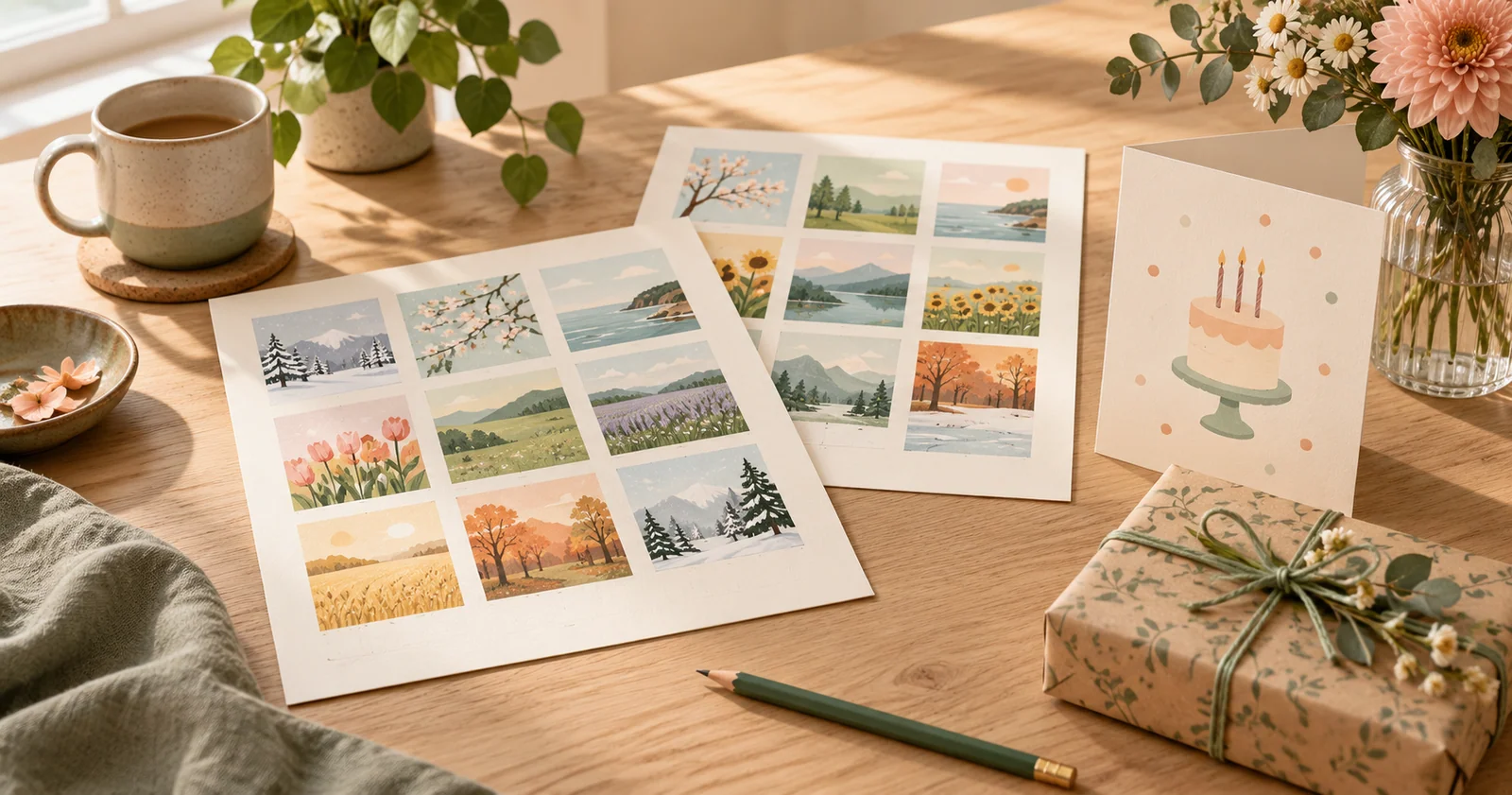
An undated birthday calendar keeps recurring dates in one place without tying them to a particular year. Write the month and day once, then consult the list when planning each new month. The sheet is a reference: it will not send reminders or automatically move a date onto your calendar.
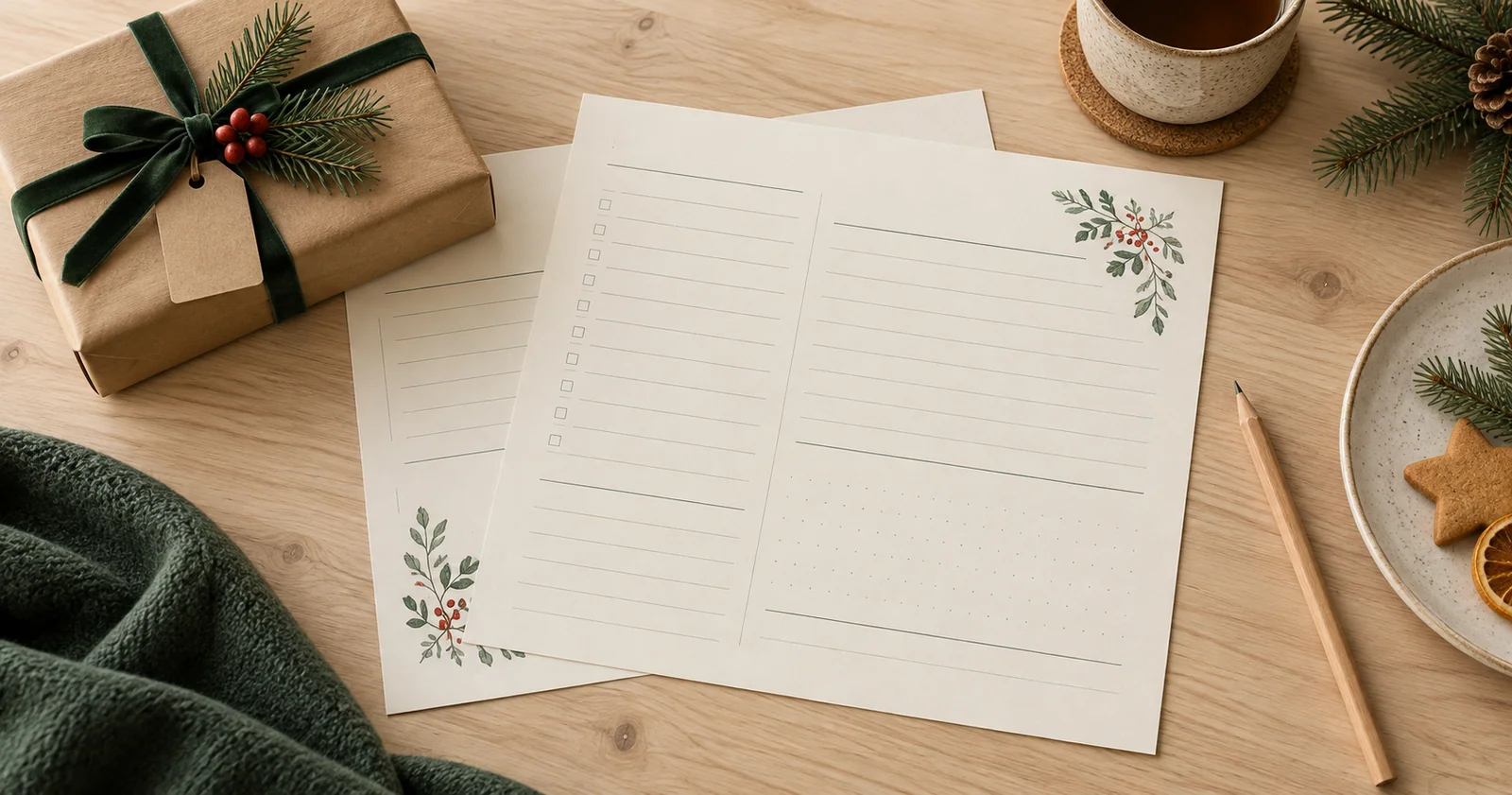
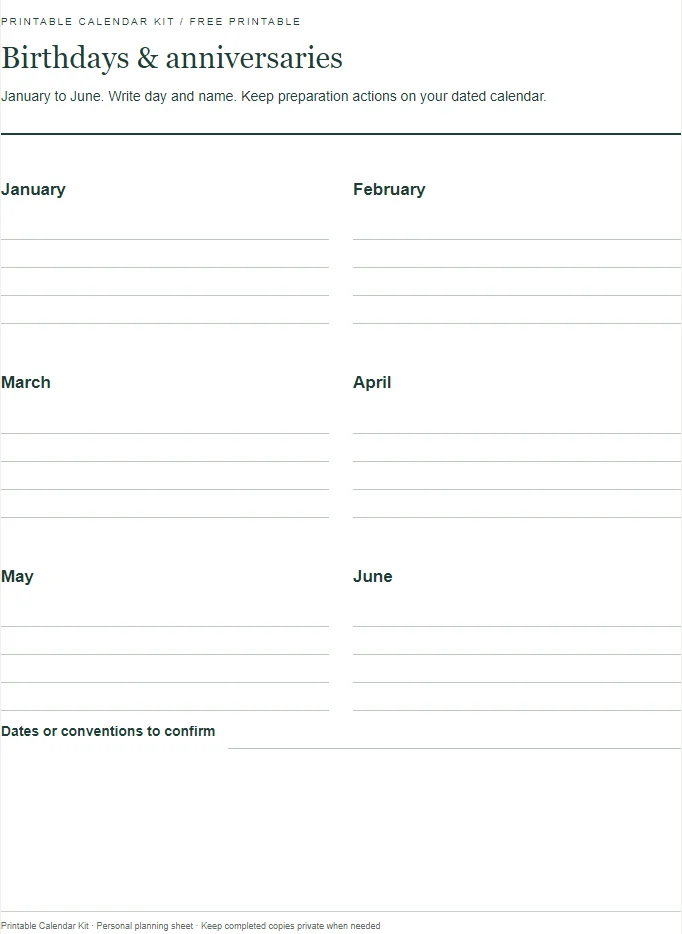
Open the printable twelve-month birthday calendar. It has a separate space for each month, plus a reminder-planning section. Use it for birthdays, anniversaries and other personal recurring dates. It prints on A4 or Letter and leaves the year out deliberately.
Record the date you actually need
For each entry, write the day of the month and a name or label you recognise. “14 — Maya” may be enough for a birthday. “22 — Pat and Jo anniversary” distinguishes a different kind of occasion. The month heading supplies the month, so there is no need to repeat it on every line.
Use a date format that remains clear if someone else reads the sheet. Writing “6 March” avoids the ambiguity of a numeric form such as 03/06, which can mean different dates in different conventions. Within a labelled March box, “6 — name” is also clear.
You do not usually need a birth year for a reminder to send a message or card. Leaving it out keeps the sheet simpler and limits unnecessary personal detail. If an age is genuinely useful for a particular purpose, keep that information in a separate private note rather than assuming every shared calendar needs it.
Put reminders before the occasion
The event date and the preparation date do different jobs. A birthday on the nineteenth may require a reminder earlier in the month if you want to post something, arrange a call or organise a gathering. Write the occasion in the birthday list, then place your chosen preparation action on the dated calendar you actually consult.
For a fictional example, Maya’s birthday is 14 March. At the start of March, you decide to choose a card on the fourth and write it on the sixth. Those are personal planning dates, not guarantees about postal delivery. If you are sending something, check the current carrier information for the destination and service before choosing a sending date.
Keep the action specific. “Maya” on a weekly task list is easy to overlook because it does not explain what to do. “Ask Maya when she is free for a birthday call” or “write Maya’s card” makes the next step visible. The recurring list holds the date; the active planner holds the chosen action.
Use a monthly transfer routine
- Check the coming month against the permanent birthday list.
- Choose reminder dates early enough for the action you intend.
- Copy the occasion and reminder into the calendar you actually consult.
Example reminder entries
| Occasion | Recurring date | Chosen reminder |
|---|---|---|
| Birthday | 12 May | 5 May: arrange a card |
| Anniversary | 28 June | 14 June: agree plans |
| Leap-day birthday | 29 February | Agree the non-leap-year convention with the person |
When setting up a new month, look at both that month and the following month on the birthday sheet. The second glance catches occasions early in the next month that need preparation now. Transfer the relevant event dates and actions to your monthly calendar or weekly planner.
For example, a birthday on 2 May might need attention during the last week of April. Looking only at April’s dates would miss that preparation window. Looking one month ahead is a simple checking habit; for arrangements that need longer preparation, add an earlier reminder when you first agree the plan.
Tick a small “reviewed” note on the current planner page if it helps you remember that the transfer happened. Avoid placing permanent completion ticks beside birthdays on the undated sheet, because the same occasion returns next year. Keep year-specific progress on a dated page.
Handle dates that need a personal convention
A birthday on 29 February needs a choice about how the person prefers to mark it in other years. Ask rather than silently moving it to a different day. Keep the original date on the reference sheet and note the agreed reminder arrangement separately.
Some anniversaries or celebrations follow a calendar other than the Gregorian calendar, so their Gregorian dates may change from year to year. An undated month-and-day sheet is not enough to calculate those dates. Record that the occasion needs checking, then use an appropriate reliable calendar or information from the people celebrating.
Occasions described as “the first Saturday in June” also move between numbered dates. Write the rule as a note, then find the actual date on the current year’s calendar. Do not turn one year’s date into a permanent annual entry merely because it fitted last time.
Share the useful parts carefully
A household copy can prevent two people independently trying to remember the same dates. Agree where the main sheet lives and who updates it when a date is corrected. Several copies are manageable if they are dated when updated; otherwise, an old version can quietly keep circulating.
A sheet displayed in a shared space does not need full names, addresses or private notes. Use initials or a familiar label where that is enough. Keep gift ideas and sensitive relationship details somewhere more private. The printable is designed for a few clear reference fields rather than a personal-information database.
If the calendar includes someone else’s occasion, use the date they have given you. Do not treat a date remembered vaguely from a social post as confirmed. Mark uncertain information as something to check instead of allowing a guess to become the household’s permanent reference.
Print and maintain the calendar
The printable spreads the twelve months across two pages to leave handwriting space. Choose A4 or Letter in the print dialog and preview both pages. You can print them separately, place them side by side or keep them back to back in a folder. Turn off browser headers and footers if they interfere with the layout.
Write entries in date order where practical, but do not recopy the entire sheet because one new name belongs between two existing lines. Add a clear entry in the available space. When the sheet becomes difficult to scan, make a clean copy and check each transferred date against the original.
At the start of a year, review whether the list still reflects the occasions you want to remember. This is also a good time to remove outdated reminder arrangements and check any dates that vary by year. The undated format saves rewriting stable information; it does not remove the need to reconsider the actions attached to it.
Questions about an undated birthday calendar
Can I use it for anniversaries as well?
Yes. Add a short label so you can tell the type of occasion at a glance. If a date carries a particular emotional meaning, choose a label appropriate for where the sheet will be kept. The calendar does not prescribe how an occasion should be acknowledged.
Will the sheet remind me automatically?
No. It is a printable reference. Transfer actions to the planner or reminder system you use regularly. If you choose digital recurring reminders, check their date and recurrence settings rather than assuming a paper note has created them.